A practical look at 25 simple home improvement projects is offered, from quick paint refreshes to budget-friendly updates. The approach starts with a basic home assessment and a realistic budget for each task. Tools to gather are listed, and steps are kept straightforward to avoid overwhelming newcomers. It stays practical and calm, guiding readers toward tangible improvements while hinting at the next steps they’ll want to take to begin. The next part awaits with concrete, doable actions.
Start With a Simple Home Assessment
A simple home assessment is the essential first step in any improvement project. It identifies priorities and resources, guiding practical choices. Clear notes reveal condition, safety concerns, and potential improvements without bias. The process supports budget planning and ongoing tool maintenance, ensuring efficient use of time and materials. This detached evaluation empowers readers to act confidently, embracing accessible, freedom-minded upgrades.
Set a Realistic Budget for Each Project
Before starting any project, it is prudent to set a realistic budget for each task, using the prior home assessment as a guidance map. This step highlights budget planning and cost estimation, enabling informed choices without overreach. A clear cap, itemized costs, and contingency help maintain momentum. Result: practical financing that preserves freedom to adapt while staying responsible.
Gather Essential Tools You’ll Reuse
Essential hand tools and budget-friendly gear form the foundation for practical home projects. A basic set includes a hammer, screwdrivers, tape measure, pliers, level, and utility knife, paired with affordable options that fit limited budgets. This topic introduces how choosing reliable, reusable tools can streamline tasks and reduce repeated purchases.
Essential Hand Tools
Choosing the right hand tools makes home projects smoother and safer, and most tasks repeat when building or repairing around the house. Essential hand tools include a reliable hammer, screwdrivers, pliers, tape measure, utility knife, and level. Build a small set with quality basics.
essential tools, safety basics guide beginners toward confident, independent work while minimizing unnecessary purchases and wasted effort.
Budget-Friendly Gear
Budget-friendly gear stands as the practical foundation for reuse-worthy tools, focusing on core items that deliver reliability without overspending. A concise gear guide prioritizes versatility: a solid hammer, adjustable wrench, tape measure, level, pliers, utility knife, and a compact drill. This budget friendly selection supports long-term projects, emphasizing quality, repairability, and freedom to customize setups without waste.
Quick Paint Refresh for Big Impact
A quick paint refresh starts with proper prep to ensure adhesion and a smooth finish.
After cleaning and repairing surfaces, selecting bold color options can transform a room, while applying even coat techniques prevents streaks and uneven coverage.
This approach sets the stage for a confident, long-lasting result.
Prep Properly For Paint
Before diving into paint, proper prep matters: a clean, primed surface ensures even color and lasting results.
Skilled homeowners gather essential prep materials, remove dirt, repair cracks, and sand slick spots for a smooth base.
Choose compatible paint finishes, then test a small area.
Carefully protect floors and trim, apply primer where needed, and plan thin, even coats for durable, professional-looking results.
Choose Bold Color Options
Color can dramatically reshape a room, making bold options a quick, high-impact refresh after proper surface prep. Choosing bold color options invites personal expression while honoring color psychology, which guides mood and energy. In practical terms, test swatches, consider lighting, and balance with neutrals. With deliberate selection, a single hue can transform perception, create contrast, and enhance functionality without overcomplication. Freedom meets clarity.
Apply Even Coat Techniques
To achieve a smooth, durable finish, apply even coat techniques by using steady, overlapping strokes and consistent pressure across walls and trim. The method emphasizes even coating, avoiding splash marks and lap lines.
Work in manageable sections, keep a wet edge, and maintain steady speed. The result yields a uniform finish, quicker touch-ups, and a fresher room with minimal rework.
Upgrade Lighting Without Rewiring
Upgrading lighting without rewiring offers practical options to brighten a space using existing fixtures and simple additions. The approach focuses on adjustable lamps, brighter bulbs, and smart plugs, enabling subtle, flexible improvements. This method encourages two word discussion ideas and lighting upgrades, prompting readers to consider color temperature, beam spread, and energy efficiency. Clear, accessible guidance supports independent, confident home improvement decisions.
Refresh Cabinets With New Hardware
Selecting the right hardware sets the tone for cabinets, so take time to choose pieces that match the space and function. Measure carefully to ensure a proper fit, then install and finish with even, clean lines for a polished look. This discussion covers choosing hardware, precise measurement, and the steps to install and seal the final result.
Pick Right Hardware
Choosing the right cabinet hardware can dramatically update a kitchen or bathroom without major renovations. The choice centers on hardware selection that fits the space and user preferences. Emphasize tool ergonomics to ensure comfortable handling during installation and daily use. Select finishes and shapes that reflect personality while maintaining durability, ease of use, and cohesive style across drawers and doors.
Measure and Fit
Installed hardware can transform cabinets quickly, so accurate measurement and careful fitting are essential before any screws meet the wood. Measure and fit begins with measure planning: map hole centers, spacing, and alignment across doors. Use a single marking line, check plumb, then tighten. Maintain tools through routine tool maintenance, and recheck alignment after minor adjustments for a clean, cohesive look.
Install and Finish
Once hardware is ready, the cabinet refresh proceeds with precise installation and a final finish to unify the look.
A measured approach follows: align hinges and pulls, tighten screws evenly, and check open/close action.
Budget planning informs choices, while tool selection ensures efficiency.
Clean edges, even spacing, and a smooth seal create a cohesive, accessible update that honors personal freedom and budget.
Seal Gaps to Cut Drafts and Noise
Gaps around doors, windows, and utility penetrations can let in drafts and noise, undermining comfort and energy efficiency. For DIY success, seal gaps with appropriate materials—caulking for small cracks, weatherstripping for moving parts, and foam for larger gaps. This simple step supports seal gaps and noise reduction, improving room consistency, saving energy, and inviting greater freedom in daily living.
Fix Leaks and Improve Water Efficiency
Fixing leaks and boosting water efficiency has immediate practical benefits, reducing waste and lowering utility bills. The article outlines simple steps for leak detection, from inspecting fixtures to monitoring meters, and emphasizes fixing drips promptly. Practical improvements include weather-aware irrigation, low-flow fixtures, and sensible reuse. Clear checks prevent wasted water, enhancing overall water efficiency without complicated changes for homeowners seeking freedom.
Install a Backsplash on a Budget
Budget-friendly materials and practical installation tips show how a backsplash can be affordable without sacrificing style.
The discussion centers on choosing cost-effective options, such as durable vinyl, peel-and-stick tiles, or standard ceramic, paired with simple layout ideas.
Clear, actionable steps and tricks help readers plan, measure, and install efficiently while keeping costs in check.
Budget-Friendly Materials
Backsplash projects don’t have to break the bank. This section outlines budget-friendly materials and smart sourcing strategies. A detached overview helps readers compare options without pressure. Focus on affordable options, durability, and ease of maintenance. Prioritize simple, reversible choices and readily available products. Emphasize budget friendly decisions and practical material sourcing that suits varied aesthetics, climates, and DIY skill levels.
Installation Tips and Tricks
Choosing a backsplash on a budget is entirely feasible with careful planning and practical steps. Installation tips emphasize simple layout, measured cuts, and surface prep. A tricks overview highlights affordable materials, adhesive choices, and grout options. Designers note design constraints like tile size, pattern, and heat exposure; smart hacks reduce waste. The approach remains practical, accessible, and freedom-oriented for DIY enthusiasts.
Refresh Floors With Peel-And-Stick Options
Peel-and-stick flooring offers a quick, affordable option to refresh worn or dated surfaces without a full renovation.
The approach is simple: measure, cut, and press panels securely in place.
This method suits busy homes seeking immediate results.
Peel and stick enables a clean floor refresh, with minimal tools and disruption, while offering durable, removable, and affordable style upgrades.
Create a Mudroom or Entryway Organizer
A mudroom or entryway organizer helps keep daily essentials in one place and reduces clutter at the door. The design should focus on versatile hooks, smart storage for small spaces, and durable materials that withstand daily use. Considering these aspects sets up options for organizing with hooks, optimizing space, and selecting sturdy entry materials.
Organize With Hooks
Organizing a mudroom or entryway with hooks provides a simple, practical solution for daily clutter. Hooks organization offers immediate storage for coats, bags, and keys, reducing chaos. A brief assessment planning step helps decide hook types, spacing, and mounting height. The approach remains flexible, affordable, and straightforward, empowering users to customize the space while preserving freedom to rearrange as needs change.
Maximize Small Space
Maximizing small spaces for a mudroom or entryway involves compact, deliberate organization that makes daily routines smoother. A detached overview explains practical steps: install a slim bench with hooks, add labeled baskets, and reserve a dedicated shoe cubby. Seasonal organization and compact storage ideas reduce clutter, simplify transitions, and empower owners seeking freedom while maintaining a tidy, functional entry.
Durable Entry Materials
Durable entry materials form the backbone of a practical mudroom, offering lasting function under daily wear. Durable entryways resist moisture and scuffs, while sturdy thresholds withstand foot traffic and transitions. A simple mudroom organizer uses open cubbies, hooks, and a bench with a storage bin, prioritizing accessibility and freedom. Select materials that balance durability, ease of cleaning, and understated style.
Upgrade Switches and Outlets for Safety and Style
Upgrading switches and outlets is a practical step for improving both safety and style in any home. This accessible upgrade enhances reliability, reduces electrical hazards, and modernizes decor with clean lines.
For DIY-minded readers seeking freedom, choose grounded, tamper-resistant options and label circuits.
Upgrading switches, outlets; Safety upgrades support clearer trips, better energy use, and peaceful, user-friendly living spaces.
Improve Curb Appeal With Exterior Touchups
Exterior touchups can start with prep, such as cleaning surfaces, repairing minor damage, and priming where needed. A light refresh can then be achieved with paint accents that highlight doors, trim, or architectural features. This approach sets the stage for practical curb appeal improvements without major renovations.
Exterior Touchup Prep
Are small exterior touchups worth the effort? Yes, and this section outlines practical exterior touchup fundamentals.
A detached observer outlines simple prep steps: clean surfaces, remove loose material, rinse thoroughly, and let dry.
Inspect for cracks, chips, or peeling paint; repair as needed.
Gather tools, mask unchanged areas, and plan weather windows.
Clear prep steps set the stage for durable results.
Freshen With Paint Accents
Freshening the exterior with paint accents can quietly elevate curb appeal after solid prep work.
The approach favors restraint: select a bold color for trim or doors, then apply a glossy finish for a sharp, reflective edge.
Use clean lines and limited contrasts to keep the look timeless.
This simple, adaptable technique suits homeowners seeking tasteful, freedom‑driven upgrades.
Add Simple Storage Solutions Under Stairs
Under stairs space often goes unused, but it can provide practical storage with minimal effort. The approach favors simple, modular solutions that fit the footprint without major construction.
Hinged or pull-out bins, shallow drawers, and labeled bins keep items organized. This supports storage under stairs and space optimization, making everyday items accessible while preserving open, flexible living areas.
See also: Latest News in Renewable Energy Technologies
Build a DIY Accent Wall With Reclaimed Material
To transform a room without costly materials, a DIY accent wall using reclaimed wood offers texture and warmth through a simple, intentional approach.
A detached narrator explains steps clearly: select reclaimed material, plan layout, prepare walls, cut and mount boards, and finish with sealant.
The result is an accessible, flexible accent wall that adds character and freedom to any space.
Install a Smart Thermostat for Comfort and Savings
Installing a smart thermostat can streamline comfort and lower energy bills by automatically adjusting heating and cooling based on occupancy, schedules, and outdoor conditions.
The device is easy to install, fits most systems, and provides remote control.
It emphasizes energy savings without sacrificing freedom, delivering reliable climate management, clear monitoring, and simple, practical setup steps for homeowners seeking autonomy.
Refresh Bathrooms With Cosmetic Updates
Refresh bathrooms with cosmetic updates by focusing on small, impactful changes that can transform the space without major renovations. The approach centers on practical tweaks: regrout grout lines, add open shelves for bathroom storage, swap hardware, and refresh mirrors. Subtle, strategic touches like a DIY fragrance and organized cabinets elevate ambience without disrupting daily routines or budgets.
Hang New Curtain Rods and Window Treatments
New curtain rods and window treatments can instantly update a room’s look and function without a full remodel. The process emphasizes measuring, selecting curtain hardware, and choosing fabric or blinds that suit light needs and privacy.
Install involves marking positions, ensuring level rod mounting, and using sturdy brackets.
Finishing touches include coordinating colors and maintaining easy operation for daily use.
Create a Functional Laundry Area Makeover
A functional laundry area makeover focuses on maximizing efficiency and simplifying daily tasks by organizing space, improving workflow, and selecting durable, easy-to-clean components.
The approach centers on practical layout changes, smart storage, and accessible utilities.
Improve Kitchen Counters on a Budget
Upgrading kitchen counters on a budget focuses on cost-effective choices that enhance durability and usability without major remodeling.
The article presents practical options such as budget upgrades and simple refinishing methods that extend life and maintain style.
Emphasis is on achievable results, minimal disruption, and clear instructions, enabling informed decisions about surface upkeep, countertop refinishing steps, and affordable, durable finishes.
Replace Faucets for a Fresh Look
Replacing faucets can instantly refresh a kitchen or bathroom, adding style and function without a full remodel. The detached observer notes how modern fixtures offer cleaner lines and durable finishes, improving faucet aesthetics while staying within budget. Simple upgrades also emphasize water saving benefits, encouraging mindful use. Maintenance becomes easier, and future replacements remain straightforward for those seeking flexible, approachable home improvement.
Install a Pebble Path or Simple Garden Edging
Installing a simple pebble path or garden edging offers a practical way to define walkways and borders without major construction. The approach remains straightforward: lay flat, level soil, set pebbles or a preferred edging material, then secure with sand or mortar as needed. A pebble border or garden edging creates low-maintenance structure while preserving a free, open feel.
Organize Closets With Simple Systems
Organizing a closet with simple systems can dramatically improve daily routines by turning clutter into clearly defined zones. This approach emphasizes minimal, modular storage, labeled bins, and reachable heights to support quick decisions. Implement storage optimization with adjustable shelves and bins. Integrate closet lighting to illuminate pathways and items, reducing rummaging. The result is calm, accessible, and freedom-enhancing organization.
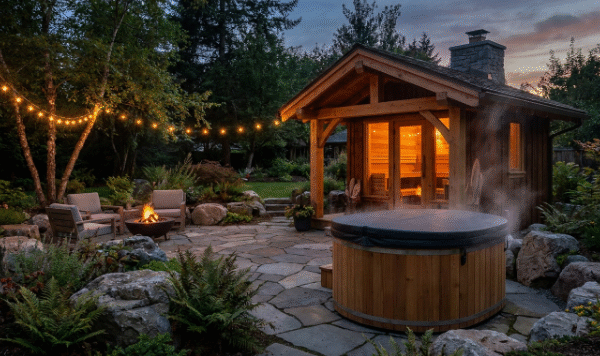
Create a DIY Outdoor Seating Area
A DIY outdoor seating area can be created by combining simple, weather-resistant materials with thoughtful layout.
The approach favors affordable, sturdy components and modular plans that adapt to space.
Outdoor seating options emphasize comfort and durability, while diy furniture pieces showcase personal style.
Careful placement fosters conversation zones, shade, and flow, ensuring a welcoming, low-maintenance retreat for everyday use.
Plan a Maintenance Schedule to Keep Projects Lasting
Planning a maintenance schedule helps extend the life of any DIY project, including outdoor seating and related features. A practical plan outlines tasks, frequencies, and responsible parties, empowering homeowners with autonomy. Short term maintenance focuses on immediate care while seasonal planning anticipates weather impacts. Consistency minimizes damage, preserves appearance, and reduces repair costs, ensuring projects remain functional and satisfying year after year.
Frequently Asked Questions
How Long Will Each Project Take to Complete?
Projected durations vary by project, but estimates emphasize practical pacing. Time management hinges on task sequencing and buffer for surprises; material sourcing influences start-to-finish flow. Each task benefits from clear milestones, stated dependencies, and realistic completion buffers for freedom.
What Safety Gear Do I Need First?
Safety gear includes gloves, eye protection, a dust mask, and hearing protection. PPE basics emphasize fit and reuse. Project timelines depend on tasks; hiring help may reduce delays. Budget pitfalls: buy quality, track ROI lessons for safer, freer projects.
Can I Finish These Projects Myself or Hire Help?
Yes, can I DIY or hire; it depends on scope and safety. When to seek pro help: complex electrical, plumbing, structural work, or tight deadlines. The choice supports efficiency, quality, and personal freedom within risk-aware boundaries.
What Are Common Budget Pitfalls to Avoid?
Budget overruns and hidden costs routinely derail projects; the answer is careful planning, itemized estimates, and contingency funds. This detached perspective highlights tracking assumptions, avoiding scope creep, and maintaining flexibility for budget-conscious individuals seeking freedom.
Which Projects Yield the Best Return on Investment?
Which projects yield the best return on investment? Winter proofing upgrades and which home value boosts are prioritized; practical, free-minded readers pursue sensible improvements that balance cost and payoff, maximizing value while preserving autonomy and straightforward, effective results.
Conclusion
A practical homeowner can transform a space without a protracted overhaul. By starting with a simple assessment, budgeting smartly, and choosing repeat-use tools, each project becomes manageable. The list’s modest steps—paint refresh, lighting tweaks, organized closets, and cozy outdoor seating—build momentum and confidence. A single, steady approach turns ambition into habit; progress compounds as rooms feel refreshed and routines improve. In the end, thoughtful, incremental changes are the quiet, enduring creativity of a well-loved home.