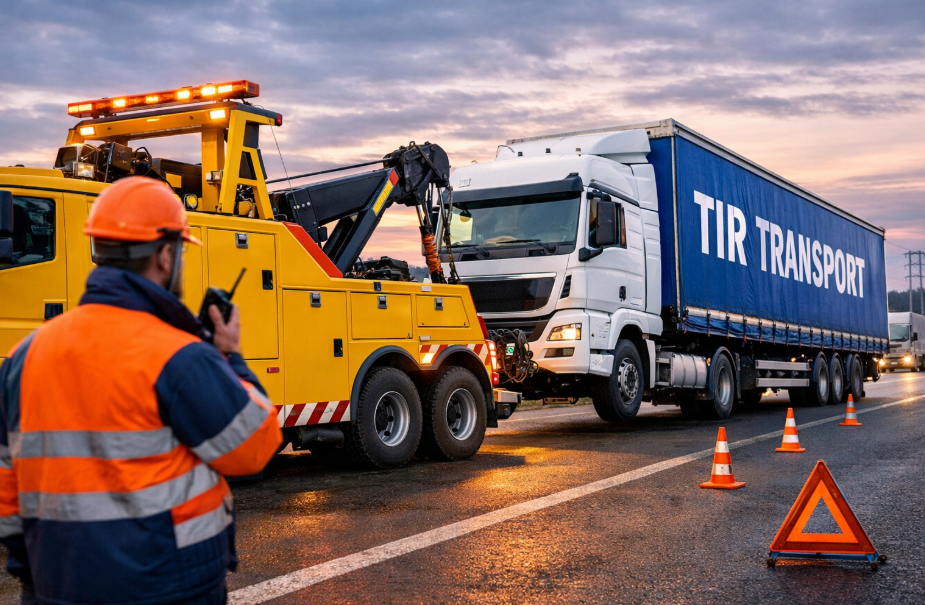
TIR transport is the backbone of long distance freight movement across Europe, connecting manufacturers, warehouses, ports, and retailers through a fast and regulated logistics network. But even the most carefully planned journey can be disrupted by a breakdown, tire failure, battery issue, collision, or technical malfunction. In such moments, access to holowanie TIR is not just a convenience. It becomes a critical part of keeping deliveries on schedule, protecting valuable cargo, and reducing the financial impact of unexpected downtime.
The reality of risk in heavy freight transport
Every transport company knows that the road can be unpredictable. A modern TIR vehicle is built for endurance, but long routes, changing weather, congested roads, and heavy loads place constant strain on the truck. Even a minor failure can quickly escalate into a costly delay if the driver is stranded without immediate support.
Unlike standard passenger vehicles, heavy trucks require specialized handling. Their size, weight, and cargo conditions mean that ordinary roadside support is often not enough. Professional assistance for TIR transport is designed specifically for these high pressure situations. It combines technical knowledge, specialized equipment, and rapid response, all of which are essential when a breakdown happens far from a depot or service point.
For logistics operators, every hour matters. Missed delivery windows can lead to penalties, disrupted supply chains, and damaged customer relationships. That is why relying on expert roadside support is a practical business decision, not just an emergency backup plan.
Why TIR breakdowns are more serious than standard vehicle failures
When a passenger car breaks down, the consequences are usually limited to one driver and one journey. In TIR transport, the scale is completely different. A stopped truck may block traffic, delay time sensitive goods, and create safety risks on major roads or highways. If the cargo is perishable, fragile, or regulated, the pressure grows even more intense.
Professional road assistance brings several key advantages in these situations:
- Faster diagnosis of mechanical or electrical issues
- Proper towing solutions for large vehicles and trailers
- Safer handling of loaded trucks
- Reduced risk of cargo damage during recovery
- Better coordination with dispatchers and logistics managers
- Support that understands transport regulations and route realities
Heavy freight transport does not allow much room for improvisation. The wrong recovery method can damage the truck, the trailer, or the load itself. That is why a specialized service matters from the first moment of the incident.
The cost of downtime is higher than many companies expect
A stranded truck is not just a repair issue. It is a chain reaction of losses. The vehicle is out of operation, the driver loses valuable working time, customers may not receive goods as planned, and the transport company may need to reschedule future jobs. These disruptions can affect more than one delivery, especially when the truck is part of a tightly organized fleet schedule.
In many cases, companies focus only on repair costs and overlook the hidden expenses, such as:
- Late delivery penalties
- Additional fuel and rerouting costs
- Driver overtime or waiting costs
- Missed loading or unloading slots
- Client dissatisfaction and reputational damage
- Delays in the wider supply chain
Professional roadside support helps contain these losses by shortening the response time and ensuring that the correct recovery method is used from the start. In freight transport, speed without expertise can create more problems. Speed combined with specialized knowledge protects both operations and budget.
Safety should always come first
TIR transport operates under demanding conditions, often during the night, in poor weather, or on heavily trafficked routes. When a truck breaks down in such conditions, the driver faces more than inconvenience. There may be serious safety concerns for the driver, the vehicle, other road users, and the cargo.
A professional road assistance team understands how to secure the scene, assess the risk, and recover the vehicle safely. This includes proper positioning, hazard management, and the use of equipment suited to large commercial vehicles. It also reduces the chance of further accidents while the truck is waiting for help.
This is especially important when dealing with loaded trailers, hazardous conditions, or breakdowns on highways. Drivers need confidence that help will arrive from experts who understand the demands of truck recovery, not from a general service that may lack the right tools or experience.
Why local knowledge and availability make a difference
In TIR transport, location matters. A truck that fails near a busy city, industrial zone, or border route needs assistance that knows the area and can respond efficiently. The best support providers do more than tow vehicles. They understand the local infrastructure, traffic patterns, service access points, and practical recovery routes.
This is where Pomoc Drogowa TIR becomes highly valuable for transport companies moving through key logistics regions. Access to specialized support in a strategic location can significantly reduce waiting time and help drivers get back on the road with minimal disruption.
Regional expertise also improves communication and coordination. A service team that knows where to position equipment, how to approach restricted access points, and which solutions work best in the area can solve problems faster than a generic provider. For transport operators, this practical advantage can save both time and money.
Professional assistance supports drivers under pressure
Drivers are at the center of every transport operation. When a breakdown occurs, they are often the first to manage stress, secure the vehicle, communicate with dispatch, and wait in uncertain conditions. Professional road assistance does more than move a truck. It gives drivers real support during a difficult situation.
This matters because drivers need reliable help that is:
- Clear in communication
- Fast in response
- Experienced with truck specific issues
- Respectful of time and safety requirements
- Able to provide practical solutions, not guesswork
A calm and competent roadside team can reduce stress for the driver and help maintain control of the situation. This human element is often underestimated, but it plays a major role in how efficiently the incident is resolved.
The role of specialized equipment in TIR recovery
Not every towing vehicle or roadside unit is capable of handling a heavy truck. TIR transport requires specialized recovery machinery, lifting systems, and towing tools designed for large loads and commercial vehicle dimensions. Without this equipment, even a simple tow can become risky.
Professional providers invest in the right technical resources because TIR recovery is a completely different category of service. The equipment must match the vehicle type, the cargo weight, and the road conditions. In some cases, partial roadside repair may be possible. In others, the truck and trailer may need controlled towing to a workshop or secure parking area.
The value of specialized equipment is not just in strength. It is in precision. A professional team can evaluate the safest recovery method and carry it out with minimal additional damage. That level of expertise protects the transport company from avoidable losses and shortens the path back to normal operations.
A strong support network strengthens the whole logistics chain
Reliable transport depends on more than trucks and drivers. It depends on the support systems behind them. Road assistance is one of those systems that often receives attention only when something goes wrong. Yet in reality, it is a vital part of resilient logistics planning.
Transport companies that work with trusted roadside specialists gain a practical edge. They are better prepared for disruptions, more responsive in emergencies, and more capable of maintaining delivery continuity. This preparation is especially important in international freight, where delays can affect customs timing, cross border schedules, and multiple supply points at once.
A dependable support network helps businesses:
- Protect delivery reliability
- Reduce operational downtime
- Improve driver confidence
- Lower the long term impact of breakdowns
- Maintain a stronger reputation with clients
In a competitive transport market, preparedness is a sign of professionalism. Companies that plan for road incidents are often the ones that recover fastest and serve clients most consistently.
What transport companies should look for in a roadside assistance partner
Choosing the right partner for truck recovery and emergency support should never be based on price alone. The real value lies in responsiveness, competence, and experience with heavy transport. A provider that understands the realities of TIR operations can make a major difference when every minute counts.
When evaluating a roadside assistance service, it is smart to consider:
- Experience with TIR vehicles and trailers
- Availability across important transport routes
- Access to professional towing and recovery equipment
- Fast dispatch and clear communication
- Ability to handle both urgent breakdowns and complex recovery situations
- Reputation for reliability in the transport sector
A strong provider becomes more than a service contact. It becomes an extension of the company’s operational readiness.
See also: AI in Marketing: How Businesses Use Machine Learning
Keeping freight moving when the unexpected happens
No transport route is completely free from risk. Breakdowns, technical problems, and road incidents are part of the reality of heavy freight movement. What separates a manageable disruption from a costly crisis is the quality of support available when it happens.
Professional road assistance matters for TIR transport because it protects time, cargo, safety, and business continuity all at once. It helps drivers feel supported, allows companies to respond with confidence, and reduces the damage caused by delays on the road. In an industry built on timing and trust, expert assistance is not optional. It is one of the smartest safeguards a transport business can have.